01 Tháng Tư 2021
Psychological manifestations are common in the elderly

Aging in the elderly is mainly related to the functional decline of the organs in the body, which is the origin of the disease due to age.
Nội dung
- 1 1. Elderly concept
- 2 2. Psychological manifestations are common in the elderly
- 2.1 2.1 Feeling lonely and looking forward to more care
- 2.2 2.2 Dễ bị tủi thân
- 2.3 2.3 Speak a lot or get depressed easily
- 2.4 2.4 Hot temper
- 2.5 2.5 Or there is skepticism
- 2.6 2.6 Sometimes afraid of facing death
- 2.7 2.8 Easy to fall in daily activities
- 2.8 2.9 Easy to get infected, especially cross-infection
1. Elderly concept
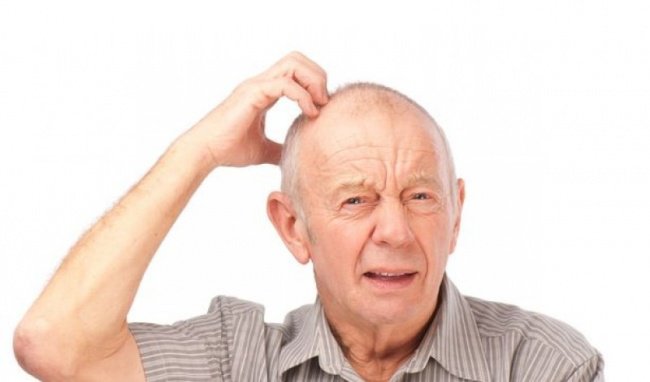
There are many different concepts about elderly people. In the past, people often used the term old to refer to the elderly, nowadays, “the elderly” are used more and more. From the medical point of view: The elderly are the people in the aging stage associated with a decline in bodily functions. In terms of law: The Law on the Elderly in Vietnam in 2010 stipulates: Elderly people are “All Vietnamese citizens aged 60 and over”. According to the United Nations, elderly people are counted from 60 years of age and older. In medicine, the elderly are classified into groups: from 60 to 75 years old are called onset old age, over 75 to 90 years old are the elderly, and over 90 years old are the long lived elderly. Aging in the elderly is mainly related to the functional decline of the organs in the body, which is the origin of the disease due to age.
2. Psychological manifestations are common in the elderly
2.1 Feeling lonely and looking forward to more care
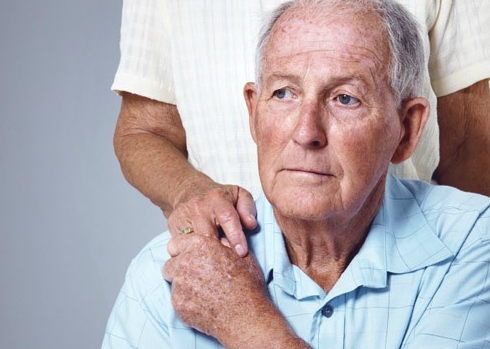
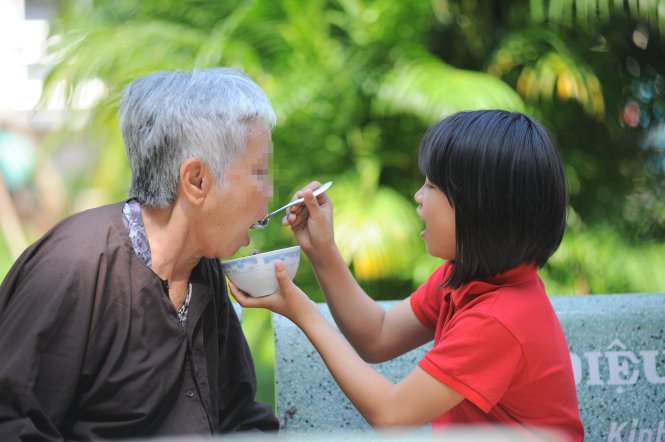
Children and grandchildren are often busy with life. This makes the elderly feel forgotten, abandoned. They really want their old age to be happy with their children and grandchildren. They want to be seen by others as a useless person. They really want to be cared for by many people and worried about them and vice versa. They are afraid of loneliness, afraid of being home alone. Therefore, we should act gently, and do not let the elders feel they are rejected or abandoned. The older people are cared for and cared for, the better their psychology and the longer life expectancy.
2.2 Dễ bị tủi thân
Most of the elderly, if they are still healthy, can help their children and grandchildren with some chores in the house, travel by themselves, or can participate in recreational activities, community. But there are also some elderly people, due to their advanced age and declining health, their living depends largely on their children and grandchildren. Therefore, it is easy to develop depressed mood, sadness, or self-torture. The older the elderly, the more the health deteriorates, slow walking, unable to work, the concept of life different from the next generation … so only an attitude or an insensitive statement. It can make them feel narcissistic and self-pity that they are old, and should be looked down upon by their children and grandchildren. In particular, the elderly are often sick, their descendants often take care of them, causing them to feel pressure and anxiety when bothering their children.
2.3 Speak a lot or get depressed easily
Because they want to impart life experiences to their children and grandchildren, and want their children and grandchildren to live according to their generation’s morality, they often make mistakes, talk a lot and sometimes make others uncomfortable. With a part of the elderly being conservative and difficult to adapt to change, coupled with the decline in health, limited ability to perform work, if young dreams are not fulfilled, or not Satisfaction, dissatisfaction … may appear symptoms of depression. They become adulterers, or cool people
2.4 Hot temper
The elderly are often quite hot-tempered and self-centered, easy to have self-esteem, or have negative thoughts, so their mentality is often impatient. Social position changes, from caregivers of families, to people taken care of by descendants. The elderly feel that they have lost their original status, so they are easily influenced and their ability to control is not high, easy to deal with small things. After retirement, old people are often depressed, losing sleep, so their spirit is in decline and often stressed. In addition to stress, the elderly are also susceptible to other diseases, so pay attention to avoid falling into negative conditions.
2.5 Or there is skepticism
This overthinking causes anxiety and a temper. The elderly are very sensitive to everything such as a psychological crisis that causes deterioration of health. Pay attention to psychophysiology and care, and taking care of the tools will help reduce these symptoms.
2.6 Sometimes afraid of facing death
Birth – death is the law of nature, although the elderly are still afraid of facing death. There are also cases where the elderly discuss their affairs for themselves, write wills for their children … there are those who do not accept, avoid it and fear death.
2.8 Easy to fall in daily activities
Due to the weak tendon and bone system, decreased function of balance, and reflexes, the elderly are more likely to fall. The consequences of falls in the elderly are often much more serious than in young people, often causing major injuries to bones and skin, and comorbidities that make it difficult to recover. In the elderly, some diseases such as osteoporosis are often accompanied by age-related changes such as slow self-defense, so falling, even a very normal fall, becomes dangerous. Falls are one of the main causes of disability in the elderly.

2.9 Easy to get infected, especially cross-infection
As we get older, the weaker immune system becomes more difficult for the elderly to adapt because the immune system is weakened. At this time, the elderly are very susceptible to respiratory diseases, especially susceptible to Covid-19 infection.
Is the subject often has multiple diseases. As we age, the more functions of our body are impaired, the weaker our health becomes. Therefore, the elderly are susceptible to many diseases and chronic diseases often return. Especially diseases of the joints, heart, respiratory …
(Source: Vinmec)
Danh mục
Tin nổi bật

30 Tháng Mười Một 2025
Người cao tuổi có nên dùng nước ép, detox, hoặc sinh tố xanh không?
28 Tháng Mười Một 2025
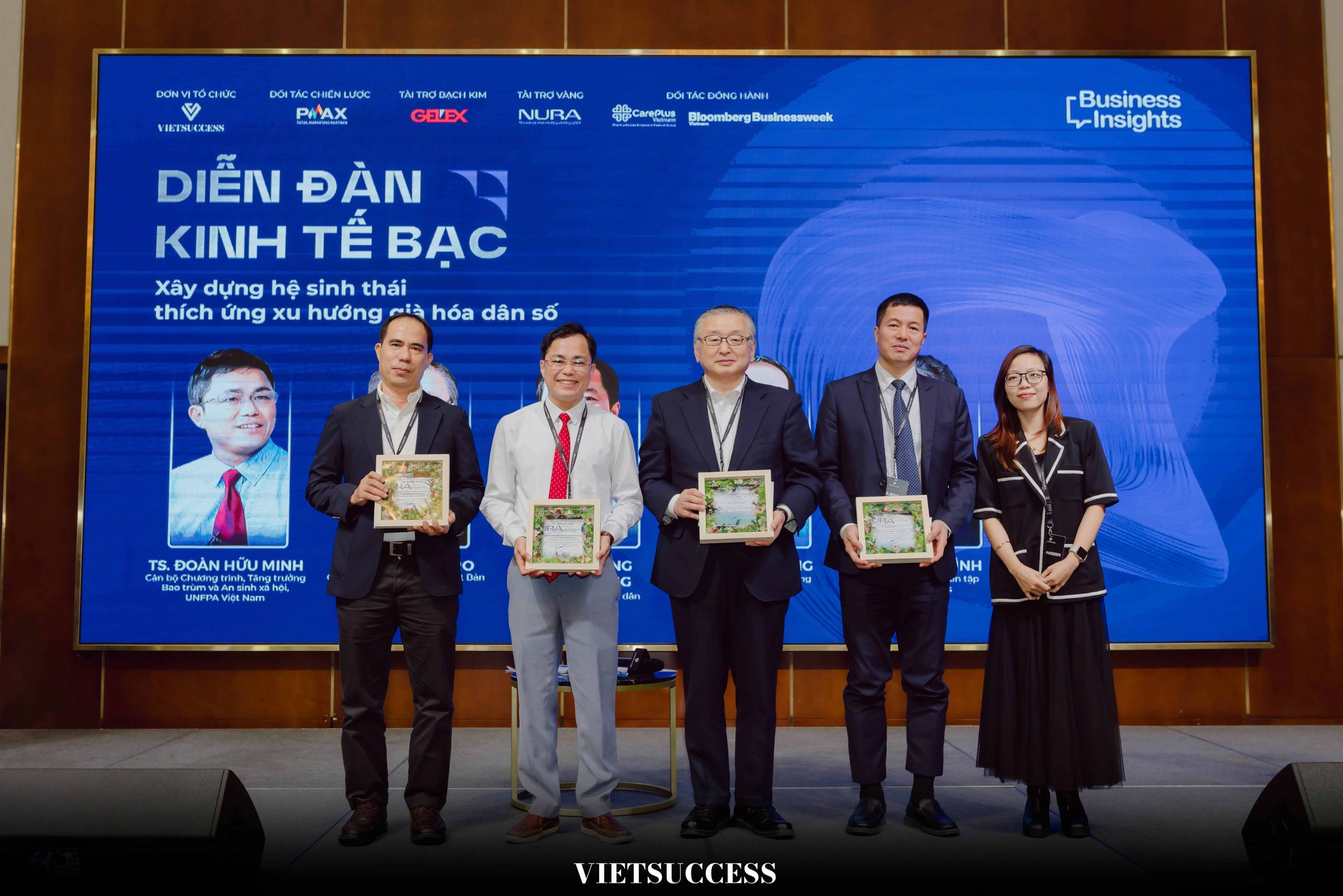
BAN LÃNH ĐẠO HỆ THỐNG DƯỠNG LÃO BÌNH MỸ THAM DỰ DIỄN ĐÀN KINH TẾ BẠC

27 Tháng Mười Một 2025
Cách thiết kế bữa sáng lý tưởng cho người cao tuổi bị đau dạ dày
26 Tháng Mười Một 2025
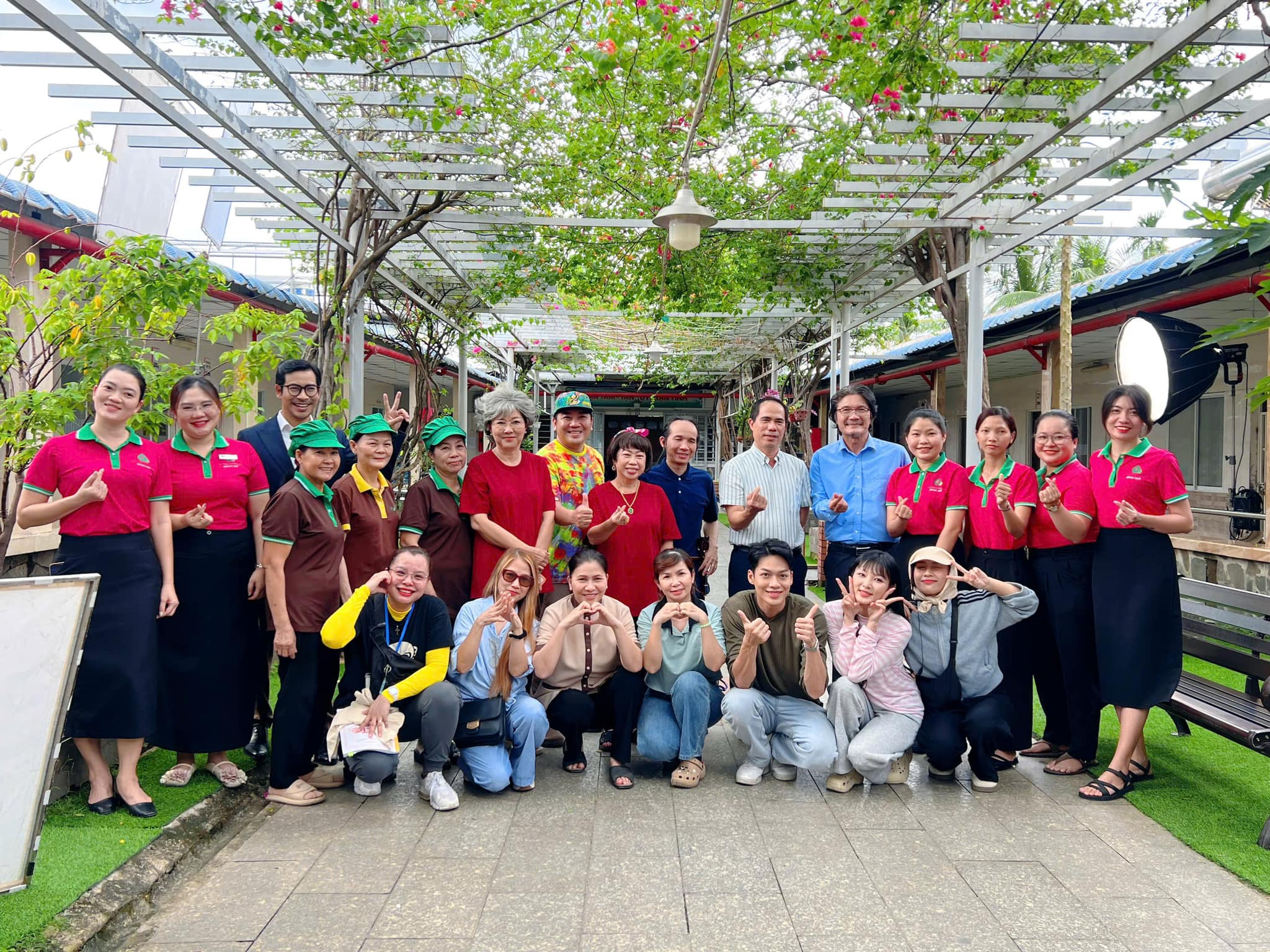
KỶ NIỆM ĐÁNG NHỚ CÙNG ĐOÀN PHIM TẾT TẠI HỆ THỐNG DƯỠNG LÃO BÌNH MỸ
Tin Tức Liên Quan

28 Tháng Mười Một 2025
BAN LÃNH ĐẠO HỆ THỐNG DƯỠNG LÃO BÌNH MỸ THAM DỰ DIỄN ĐÀN KINH TẾ BẠC
Ngày 27/11/2025, ông Bùi Anh Trung – Đại diện Ban lãnh đạo Hệ thống Dưỡng lão Bình Mỹ – đã…
30 Tháng Một 2025
Người trẻ đón tết tại viện dưỡng lão
Đây không phải là năm đầu tiên Nguyễn Thành Tây (24 tuổi) đón Tết xa nhà, nhưng đây là mùa…
29 Tháng Một 2025
Tết đoàn viên ở viện dưỡng lão
Tại viện dưỡng lão Bình Mỹ, Tết vẫn rộn ràng khi những cụ ông, cụ bà gói bánh chưng, bánh…
28 Tháng Một 2025
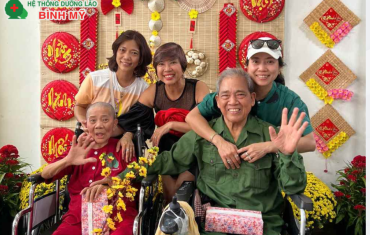
Tết đoàn viên, nghĩa tình tại viện dưỡng lão ở TPHCM
Dẫu không sum họp bên gia đình nhưng tại Viện dưỡng lão Bình Mỹ (huyện Củ Chi), các cụ vẫn…
02 Tháng Mười 2024
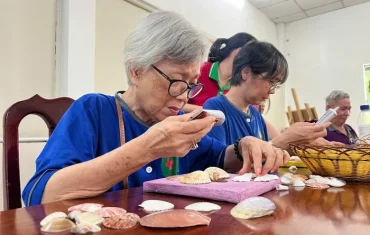
Các cụ U90 làm vòng tay, tranh vỏ sò… để bán ủng hộ người dân vùng bão, lũ
Hàng trăm sản phẩm thủ công do các cụ U90 tại Viện Dưỡng Lão Bình Mỹ tự tay làm được…
02 Tháng Mười 2024
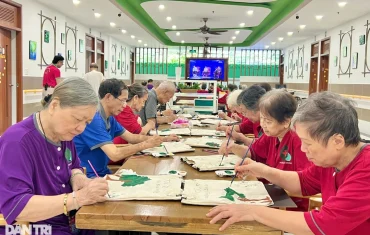
Cụ bà liệt nửa người, cụ ông run tay làm đồ thủ công ủng hộ bà con vùng lũ
Dù sức khỏe suy giảm, tâm trí lúc nhớ, lúc quên nhưng hàng trăm cụ ông, cụ bà tại viện…
02 Tháng Mười 2024
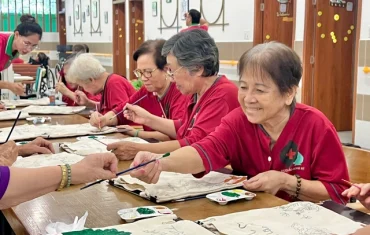
Người cao tuổi học vẽ tranh, làm quà lưu niệm để hỗ trợ đồng bào bị bão, lũ
Tại TP HCM, một gian hàng đặc biệt bày bán các sản phẩm thủ công do những cụ ông, cụ…
02 Tháng Mười 2024
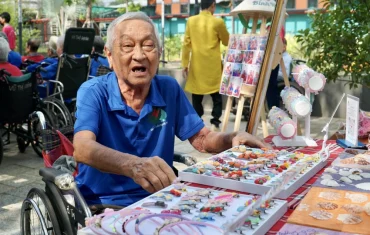
Các cụ U90 làm vòng tay, tranh vỏ sò… để bán ủng hộ người dân vùng bão, lũ
Ngày 1-10, nhân ngày Quốc tế Người cao tuổi, hơn 500 sản phẩm thủ công như nón lá, túi vải, kẹp tóc,…
14 Tháng Tám 2024
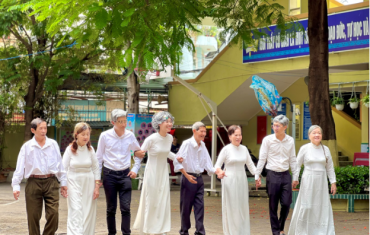
Báo Tổ Quốc: Viện dưỡng lão làm mới lại hit cũ, dàn diễn viên gây “sốt” rần rần
Mới đây, cộng đồng mạng xôn xao truyền tay nhau một MV remake về bài hát tuổi học vô cùng…